
Clash Royale Imposter Game
Card-based prompts, fair reveals, and pass-and-play speed. Fan-made mode.
Fan-made mode. Not affiliated with Supercell.
Quick Setup
Players & imposters
# of Players
4
Minimum 3 to start.
# of Imposters
1
Up to 3 imposters.
Player names
OptionalCard Pack
All cards
Each round picks a new secret Clash Royale card (no repeats until the pack is exhausted). Crew members see full card details; imposters see a blank screen unless you enable a single hint for them.
All cards
All cards
Total words: 124
Categories and modes
Pick a mode:
Classic word mode
party, family, classroom
Secret word party game generator with easy, medium, and hard difficulty options.

Countries mode
geography, travel, flags
Guess the country with geography-friendly prompts; great for travel lovers and quizzes.

Animals mode
animals, wildlife, family
Guess famous animals with clue rounds; easy to play for mixed ages.
Football Imposter Game
football imposter game
Football (soccer) imposter game for one phone; bluff with clubs, eras, and trophies.

Basketball Imposter Game
nba, hoops, legends
Basketball imposter game with top all-time players, subtle clues, and one-phone pass-and-play rounds.

Famous People Imposter Game
history, icons, legends
Play with 100 famous people. Crew sees the name and photo while imposters get one rotating hint.

Movie Imposter Game
movies, cinema, posters
Play with an IMDb Top 100 movie snapshot. Crew sees title and poster while imposters get one rotating hint.

City Imposter Game
cities, travel, skylines
Play with 100 famous cities, subtle hints, and one-phone pass-and-play rounds.
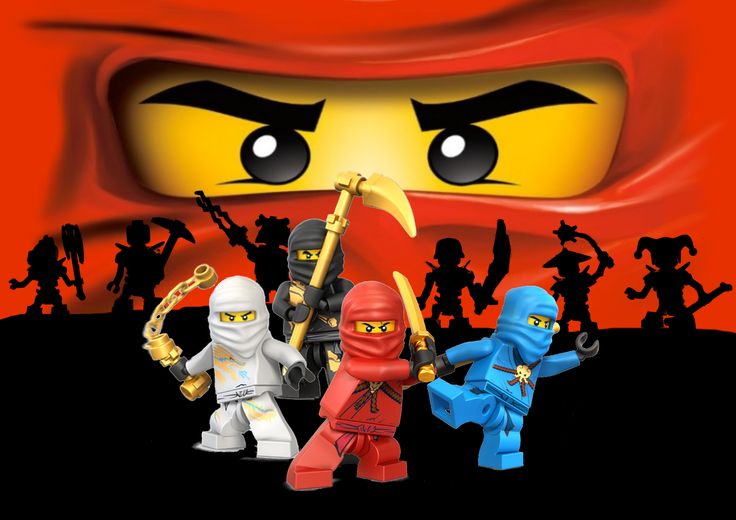
LEGO Ninjago Imposter Game
ninjago, lego, ninja
Play a LEGO Ninjago imposter game with 100 iconic characters on one phone.
Feedback and support
Have an idea or found an issue? Email us directly.
Mode guide
Clash Royale Imposter Game, card-based pace
What this is
Clash Royale Imposter is fast social deduction for CR fans. Instead of tasks, you bluff with elixir, counters, and deck strategy. Imposters do not know the secret card—blend in while crew catches them.
Same fair pass-and-play flow: set players, pick imposters, pass for reveals, quick clue round, then vote. Crew sees the card; imposters see a blank (or one tiny hint if you toggle it).
How it works
- Secret card prompt: new card every round.
- No repeat spam: rotates before reshuffling.
- Fast rounds: one clue per player + quick vote.
- Beginner-friendly: turn on the imposter hint or use broader clues.
How to play in 60s
- Set players and imposters.
- Pass the phone for private reveals.
- Clue round: short card clues, no names.
- Discuss + vote: reveal roles, repeat.
Need the full walkthrough? Hit the How to Play / FAQ page, then return for Clash Royale-specific clues.
Clue ideas that don't give the card away
CR talk onlyGood clues sound like real CR chat: mechanics, matchups, elixir, archetypes, "what it does in a deck." Avoid card names and one-step synonyms.
Elixir & cycle
- "Cheap cycle card"
- "Mid-cost support"
- "Expensive but game-changing"
Card role
- "Win condition pressure"
- "Defensive building value"
- "Support behind tank"
- "Spell that deletes swarms"
Targets & damage
- "Only hits air"
- "Single-target melt"
- "Splash control"
- "Resets / stuns"
Matchups & synergy
- "Punished by big spell"
- "Hard counter to a common push"
- "Great with swarm bait"
- "Needs timing to get value"
Clue ideas by card category
Keep it broadTroops
Hint at movement (fast/slow), range (melee/long), and role (tank/support/control). Examples: "kite tool," "bridge pressure," "backline support," "anti-air carry."
Spells
Hint at radius, timing, and what it removes (swarms, buildings, mediums). Examples: "instant value," "prediction spell," "chip + control," "punishes clumps."
Buildings
Hint at defensive purpose and what it denies. Examples: "pulls win cons," "stall + cycle," "forces awkward pathing."
Fair hosting + house rules
Balance + pacingPrevent peeking
Core ruleRole reveals prevent peeking. Imposters see a blank card by default, or one tiny hint if you enable it. Keep pacing consistent and do not let anyone "reveal twice."
Level the table
If skill levels vary, use the hint toggle or ban hyper-specific matchup callouts so newer players can hang.
Strategy tweaks
House rules- Easy: Hint ON, broad clues ("air defense").
- Hard: No elixir numbers, no card-type words.
- Tournament: One sentence each, vote immediately.
- New player: Two clues each; ban direct counters/rarity talk.
Switch anytime
Want classic prompts? Jump back to the standard imposter word generator—the pass-and-play controls stay the same.
Quick example rounds (copy these patterns)
PatternsUse these as templates: crew stays specific-but-broad; imposters mirror tone without naming the card.
Example A
Win con- "bridge pressure"
- "cheap win con"
- "punishes slow decks"
Match the detail level; talk deck role, not specifics.
Example B
Defense- "pulls pathing"
- "buys time"
- "good vs common pressure"
Avoid naming a building; stay broad and believable.
Example C
Spell value- "big swing when it lands"
- "punishes clumps"
- "timing matters"
Talk timing and value, not the effect name.
Clash Royale Imposter FAQ
How are Clash Royale cards picked?
The imposter mode pulls from the Clash Royale card pack without repeats until the deck is exhausted before reshuffling.
Do imposters see any card hints?
No. Crew members see the secret card, while imposters see a blank reveal and must bluff using the conversation.
How many players and imposters work best?
Three to ten players is ideal. Start with one imposter; add a second once you reach seven or more players.
Can I switch back to standard word prompts?
Yes. Swap to the standard imposter word generator at any time without changing the pass-and-play controls.
More Clash Royale Imposter FAQs (20)
Deep diveIs Clash Royale Imposter free to play?
Yes. You can play this mode in your browser with no download needed.
Do we need a Clash Royale account to play?
No. You just need to know the cards well enough to give clues.
Is this an official Supercell / Clash Royale product?
No. It’s a fan-made party game mode and isn’t affiliated with Supercell.
Can we play online with friends?
It’s designed for local pass-and-play. For remote play, screen-share and have one person run the rounds.
Does it work on mobile?
Yes. Built for phones/tablets and also works on desktop.
Do you collect personal data or track players?
No player names required. You can play without accounts or sign-in.
Can we enter custom card packs or pick cards manually?
Not in this mode by default. It uses the built-in Clash Royale card pack.
Can we filter cards by type (troops/spells/buildings)?
Rotation mixes all types. Use house rules to theme clues if you want.
Can we filter by arena or unlock level?
No. This mode doesn’t depend on your in-game collection.
What’s the best clue style for beginners?
Use broad clues: elixir range, role (defense/support/win con), and general counters.
What’s the best clue style for advanced groups?
Use timing windows, archetypes (cycle/control/beatdown/bait), and value concepts.
Are elixir numbers allowed in clues?
Yes, unless your group bans them. For a harder game, use cheap/medium/expensive only.
Can clues mention rarity or evolution?
You can, but it narrows the card fast. Many groups ban rarity/evolution for balance.
Can we mention direct counters by name?
You can, but it can be too obvious. Prefer counter types: big spell, reset, swarm.
How long does a typical round take?
Most groups finish in 3–5 minutes: one clue each, short discussion, then vote.
How many rounds should we play per session?
As long as it’s fun. Many groups do 5–15 rounds or until you reshuffle.
What’s a good timer for discussion and voting?
Try 30–60 seconds to prevent long debates.
Can we play with 2 players?
Possible but not ideal. Social deduction works best with 3+ players.
What happens if someone accidentally says the card name?
Treat it as a misplay: restart the round or give imposters an extra hint.
Any fun house rules to spice it up?
Yes: one-sentence clues, no card types, no elixir numbers, instant vote, or two imposters with hint OFF.